
Palworld 1.0 breeding guide
Palworld 1.0 Breeding Changes
Use this Palworld breeding changes guide for 1.0 to re-check old combos before using Cake. The pair may still breed and still give you an egg, but the child can be different from the Pal an Early Access chart promised. The official 1.0 changelog says breeding combinations were reviewed overall and adjusted around progression, then adds Mutation, new cakes, and active-skill setup changes that need to be planned separately from the normal child result.
Quick answer
For Palworld breeding changes in 1.0, the practical rule is simple: old Palworld breeding combinations need a fresh re-check. Do not assume a familiar parent pair is invalid just because the result changed. In current data, many pairs still produce a valid child, but the child may no longer be the target written in an older guide. Check the normal species result first, then choose a Cake, passive plan, active-skill setup, or Mutation attempt.
What changed around breeding in 1.0
What Palworld breeding changes mean in the 1.0 calculator
| Breeding combinations | The official 1.0 changelog says breeding combinations were reviewed overall and adjusted around game progression. Re-check old spreadsheet routes before using Cake. |
|---|---|
| Mutation | Mutation can produce a stronger version of a normal breeding result. This site still treats species lookup separately from mutation odds and stat outcomes. |
| New cakes | Mushroom, Vegetable, Deluxe Vegetable, and Special Cake affect stats, egg count, mutation likelihood, or passive inheritance. They do not replace parent-pair lookup. |
| Active skills | Inherited active skills now come from the three active skill slots set on the parents. That is an inheritance planning detail, not a child-species calculator result. |
| Incubation timing | Egg incubation time is lower in newly created Normal and Hard worlds, but timer changes do not decide which Pal species hatches. |
Old combos that now hatch a different Pal
Old route checks resolved against this site's current data
Use these Palworld breeding changes examples from 1.0 to spot the failure mode, not as routes to follow. The pair can still breed cleanly while the egg hatches into a different Pal than the old target in your notes. This table resolves the child outcome from the same local dataset used by the calculator, then shows the decision to make next.
| Old pair to check | Old target being checked | Current 1.0 result here | Next move |
|---|---|---|---|
| Bushi + Penking | Anubis A familiar early Anubis route to re-check after 1.0. | Sibelyx | This pair now resolves to Sibelyx here. If Anubis is still the goal, switch to target mode before committing Cake. |
| Orserk + Grizzbolt | Astegon An old Astegon shortcut that is easy to misread from saved notes. | Silvegis | This data resolves the pair to Silvegis, so rebuild the Astegon route from target mode instead of trusting the old pair. |
| Lunaris + Paladius | Selyne A Selyne check where a quiet wrong hatch wastes a full breeding cycle. | Relaxaurus | The pair now points to Relaxaurus here. Use a fresh Selyne parent pair before planning passives or IVs. |
| Anubis + Frostallion | Bastigor A returning-player Bastigor shortcut worth checking before committing rare parents. | Eidrolon | The current child is Eidrolon. Keep the pair only if Eidrolon is useful; otherwise rebuild the Bastigor route. |
Why an old pair can look broken
The farm can work while the result is no longer the same
The most confusing 1.0 failure mode is quiet: your Breeding Farm accepts the parents, consumes Cake, and gives an egg, but the hatch is not the Pal you expected. That is different from a setup problem. A setup problem usually means the breeding bar does not move, a parent is stuck, a required gender is missing, or there is no Cake in the farm box.
A changed combo looks normal until the egg opens. When that happens, use Parents to Child first. If the current hatch is not your target, switch to Target to Parents and choose a current route for the Pal you actually want.
How to re-check an old combo
Use the shortest path from question to result
- Use Parents to Child if an old guide gives you two parents.
- Use Target to Parents if you only care about the Pal you want.
- Use Owned Pals if you want a route from species already in your Palbox.
- Confirm the child species before choosing Mushroom, Vegetable, Deluxe Vegetable, or Special Cake.
- Read the dataset version and source hash before comparing against a pre-1.0 spreadsheet.
Mutation does not replace the normal child check
Plan the species first, then chase the upgrade
The 1.0 changelog describes Mutation as a low-chance breeding outcome that can produce a stronger Pal than the normal result, with higher stats and a unique passive skill. That makes Mutation important, but it does not answer the first question players have after 1.0: what does this parent pair normally hatch?
Treat the calculator result as the baseline species result. If the ordinary child is wrong for your route, changing Cake is not the fix. Choose a current parent pair for your target first, then decide whether the run is worth turning into a Mutation or passive project.
New Cake effects in 1.0
Use them after the pair is correct
| Cake | Official 1.0 effect | How to use it in a breeding plan |
|---|---|---|
| Mushroom Cake | Slightly raises the likelihood that newborn Pals have higher stats. | Use after the parent pair is confirmed, when quality matters more than egg volume. |
| Vegetable Cake | Produces two Pal Eggs at once. | Use when you need more attempts for a confirmed species result. |
| Deluxe Vegetable Cake | Raises mutation likelihood and makes stat growth more likely. | Use for Mutation hunting, but do not treat it as a guarantee. |
| Special Cake | Raises the chance of inheriting multiple passive skills from the parent Pals. | Use after your parent passive pool is clean enough to be worth preserving. |
Active skills changed too
Equip the skills you want in the parent slots
Active skills are now inherited from the three active skill slots set on the parent Pals, then selected randomly from that pool. This is separate from passive inheritance and separate from the species result.
- Confirm the parent pair produces the target species in current data.
- Set the active skills you want to appear in the parents' three active slots.
- Keep the passive plan separate, especially if you are using Special Cake.
- Expect rolls, not guarantees. A skill being in the pool does not mean the child must inherit it.
Popular 1.0 route checks
Open current target and owned-mode results
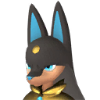 Anubis#139
231 pair optionsAnubis example: Univolt Cryst + Moldron Cryst.
 Astegon#158
102 pair optionsAstegon example: Elgrove Cryst + Univolt Cryst.
 Selyne#190
1 pair optionsOpen Selyne target view for a current check.
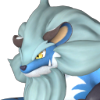 Bastigor#191
1 pair optionsOpen Bastigor target view for a current check.
 Aegidron#184
101 pair optionsAegidron example: Aegidron + Jormuntide Ignis.
 Eidrolon#171
254 pair optionsEidrolon example: Blazamut Ryu + Univolt Cryst.
Common 1.0 breeding mistakes
The problems that waste Cake and incubation time
- Following an Early Access spreadsheet without checking the exact pair in current data.
- Using a special Cake before confirming the normal child species.
- Treating Mutation as the route instead of a low-probability bonus outcome.
- Planning passives, IVs, active skills, and child species as if one calculator result answers all four.
- Starting a long chain without checking whether the target already has a shorter current parent pair.
- Forgetting that the farm still needs one male and one female Pal even when the species pair is valid.
The clean workflow is boring but reliable: check the pair, confirm the child species, choose the Cake, then start thinking about passives, active skills, IVs, and Mutation. If the child is wrong at step one, every later optimization is attached to the wrong plan.
What this page does not claim
Do not mix species lookup with inheritance planning
Mutation odds live separately
Use the mutation calculator for Cake, egg-batch, and parent-passive odds after the ordinary child is correct.
No passive optimization
Special Cake can affect passive inheritance, but the current calculator does not build passive chains.
No IV planner
Species results are separate from IV, stat, and active-skill inheritance planning.
No official affiliation
This is an independent fan-made guide and calculator built around a visible data package.
This boundary matters because 1.0 breeding decisions can quickly expand into Mutation odds, Cake choice, route chains, or best-Pal recommendations. Those topics are useful, but this page stays focused on the first question returning players need answered: whether an old parent pair still produces the Pal they expected.
Sources and data boundary
Official facts plus local calculator data
This Palworld breeding changes page checks official 1.0 release facts against thePalworld v1.0 release changelog. The result column above is generated from this site's reviewed calculator data, not copied from another guide.
Current dataset: 2026-07-15.palcalc-v26.b822c7f. Game version: Palworld 1.0. Source hash: 4e67df4d0da0.... See data sources and the changelog for update notes.
Palworld 1.0 breeding FAQ
Old combos, cakes, and current calculator data
Did Palworld 1.0 change breeding combinations?
Yes. The official 1.0 changelog says breeding combinations were reviewed overall and adjusted to fit game progression, so old combo charts should be re-checked against current data.
Can I still use old Palworld breeding spreadsheets?
Use them only as a hint. Before you spend Cake, enter the parents or target Pal in a current 1.0 calculator and compare the visible dataset version.
Does Mutation change which species a parent pair produces?
This guide treats Mutation as a separate 1.0 breeding mechanic for stronger egg outcomes. Check the ordinary species result first, then use the mutation calculator for Cake, egg-batch, and parent-passive odds.
Do the new cakes make old combos work again?
No. New cakes affect egg count, mutation likelihood, stats, or passive inheritance. Use them after confirming the parent pair still produces the species you want.
Where should I check an old Anubis or Orserk route?
Open target mode for that Pal, or use owned mode if you want to start from species already in your Palbox.
Why does an old pair still make an egg but not the Pal I expected?
The pair can remain valid while the child result changes in the current breeding data. That is why the exact parent pair matters more than the old target name written beside it.
Should I use a special Cake before checking the pair?
No. Confirm the ordinary child species first, then choose a Cake for stats, egg volume, mutation hunting, or passive inheritance.